
Prioritizing for Maniacs Tool #4

Schedule maintenance
One small trick for this sort of problem is to set aside time for maintaining one's systems. Just like workers clear their office desks and chefs clear the counters and stations before moving to other tasks, our personal lives also need time dedicated to clearing inboxes, managing laundry and dishes, and following up on tasks like scheduling appointments and paying bills. Having set times when you schedule this work is helpful whether you a.) want to do these tasks but feel they aren't a productive enough use of your time, or you b.) don't want to do these tasks and so avoid them, come what may.
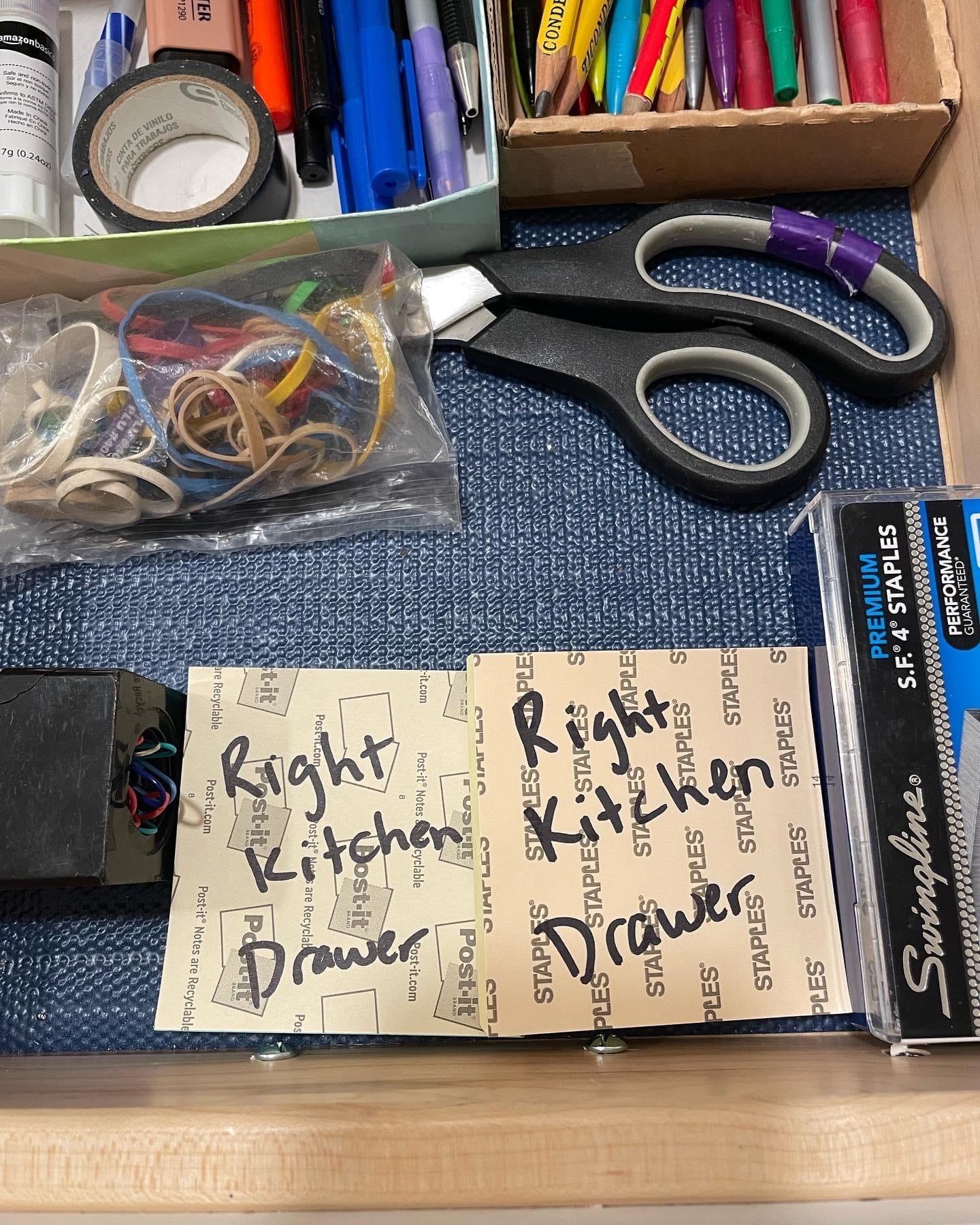
Helen and her husband take time on Sunday to schedule their "Care and Conquer" nights, which are evenings where they tackle things like doom piles, health insurance claims, taxes, renovation plans, organizing the Tupperware drawer, finally measuring the HVAC filters and order new ones, etc. Knowing they are going to give some time to important but tedious tasks means that the other nights of the week they are free to go on a date, join up with friends, or veg.
An added benefit of scheduling time for these life maintenance tasks is that it can make you better at understanding how much time some tasks really take. Rather than saying, "Oh, I'll just drop those packages off at the UPS store on my way to work," you'll come to realize that it's often a 20 minute errand, so it needs 20 minutes or more available for you to do it without being late to work.
My whole life changed when I stopped guessing at how much time I was spending on tasks and instead starting logging my time for an entire day for a few days in a row. My husband and I could see that despite working 14 or more hours a day, I had too many tasks on my plate to execute on all those responsibilities that are important (homeschooling, cooking, bare bones cleaning) and handle all the urgent jobs of varying importance (getting kids to places on time, handling a flat tire, timely correspondence, etc.), let alone be nearly constantly available to emotionally attune to our children. He looked at the household labor and took over a number of weekly tasks so that I didn't have to try to squeeze them into my hectic days.
Scheduling regular times to handle household tasks can play an important role in promoting greater domestic equity in a household. So much of the work that goes into running a household well is invisible to everyone else. There are endless memes and skits illustrating this phenomena, from the man who explains to his girlfriend that she doesn't need to fold the laundry, because any dirty clothes put in a basket will somehow get cleaned up end up folded on their bed the next day, and any messes left on the coffee table will vanish overnight as well, to content creators who make us aware of how much is invisible when the non-load bearing partner says, "the work gets done" or "it always works out."
When a family sets aside time for tasks like organizing the pantry, making a shopping list, washing the refrigerator drawers and shelves, taking inventory and making arrangements for refills, not only do they enjoy a more orderly life and home, but they have a clear understanding of how much work really goes into a well-run home and are not likely to leave all of that for one person to do. The background work that keeps the house humming and the special occasions magical is no longer invisible, but becomes both shared and appreciated.
This method also works for making forward progress in one's profession, passion project, or fitness goals. Rather than working frenetically or hoping you accidentally end up in a hard-to-achieve place, scheduling the time to dedicate to those goals and paying attention to how long given tasks actually take can make a huge difference.
Do you have tasks at home, at work, or in your personal life that either go undone, or are allowed to sprawl across too many hours of your week? Have you ever timed tasks to see how long they really take? If not, give it a try, whether it is logging how you are actually spending your time for a few days, or timing some task you imagine as "taking forever." Let me know what you learn!
Read the whole series:
- Know your specs (January 15, 2026)
- Slay the perfectionism dragon (January 22, 2026)
- Eisenhower matrix (January 29, 2026)
- Scheduling maintenance (February 5, 2026)
- The Ignatian Method (February 12, 2026)
- Believe that you too only have 24 hours in a day (February 19, 2026)
- Big Picture Questions (February 26, 2026)